
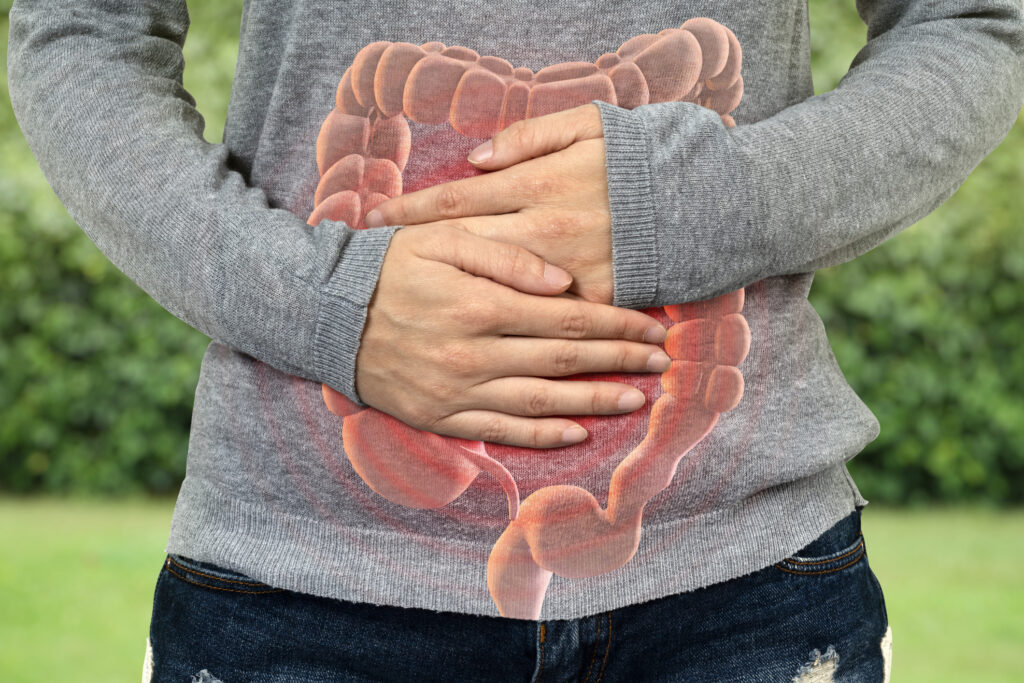
Obesity’s impact on gut health
Your gut microbiome is the environment in your intestines made up of trillions of microscopic organisms, including a diverse population
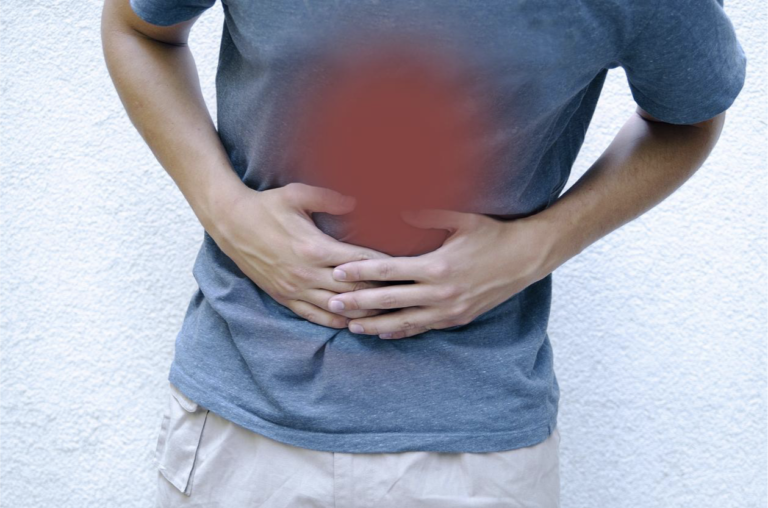
What is Gastroparesis?
Gastroparesis, also called delayed gastric emptying, is a disorder characterized by improper functioning of the muscles of the digestive tract that slows or stops movement of food from the stomach to the small intestine.
Common symptoms include:
Most of what we recommend when it comes to gastroparesis nutrition therapy is based on what we know about human physiology and how the stomach normally works. A “one-size fits all” dietary approach is not recommended because the severity of gastroparesis varies from person to person. A registered dietitian nutritionist (RDN) can guide you to find a nutrition regimen that works best for you and meets your nutritional needs.
Gastroparesis symptoms can vary from week-to-week or even day-to-day. For example, during a “Gastroparesis flare” you may experience a period where all you can tolerate is liquids while previously solid foods were tolerated. The treatment of Gastroparesis often includes medications, dietary strategies, and lifestyle changes.
Basic Gastroparesis nutrition strategies include: (note these may need to be individualized)
Foods to Avoid that may cause bezoar formation
What is a bezoar? A bezoar is a hardened mass of undigested fiber that can collect in the stomach causing severe symptoms. Foods that cannot be fully chewed or that are indigestible by your stomach may lead to bezoar formation.
| Apples with skin | Coconut | Nuts/Seeds |
| Berries (large portion) | Corn | Oranges |
| Brussels sprouts | Dried Fruit | Sauerkraut |
| Cabbage | Figs | String beans |
| Celery | Legumes/Peas | Skins of fruits & vegetables (potato, grapes, plums) |
Kitchen Tips for Success
What Resources are Available for Meal Planning/Appropriate Food Products?
Registered Dietitian picks for go-to resources include:
The Registered Dietitian-Nutritionists at Allied Digestive Health are trained and qualified to provide guidance and instruction on appropriate nutrition therapy for gastroparesis. You can contact our team at nutrition@allieddigestivehealth.com to schedule an appointment.

Your gut microbiome is the environment in your intestines made up of trillions of microscopic organisms, including a diverse population

Going gluten-free, also referred to as a “gluten-free diet,” is an increasingly popular dietary choice for several reasons, ranging from…

Understanding the relationship between obesity and increased gastrointestinal cancer risk


Navigating the FODMAP diet for symptom management

It is possible to consume too much fiber, especially if it is not balanced with adequate water intake. Fiber requires
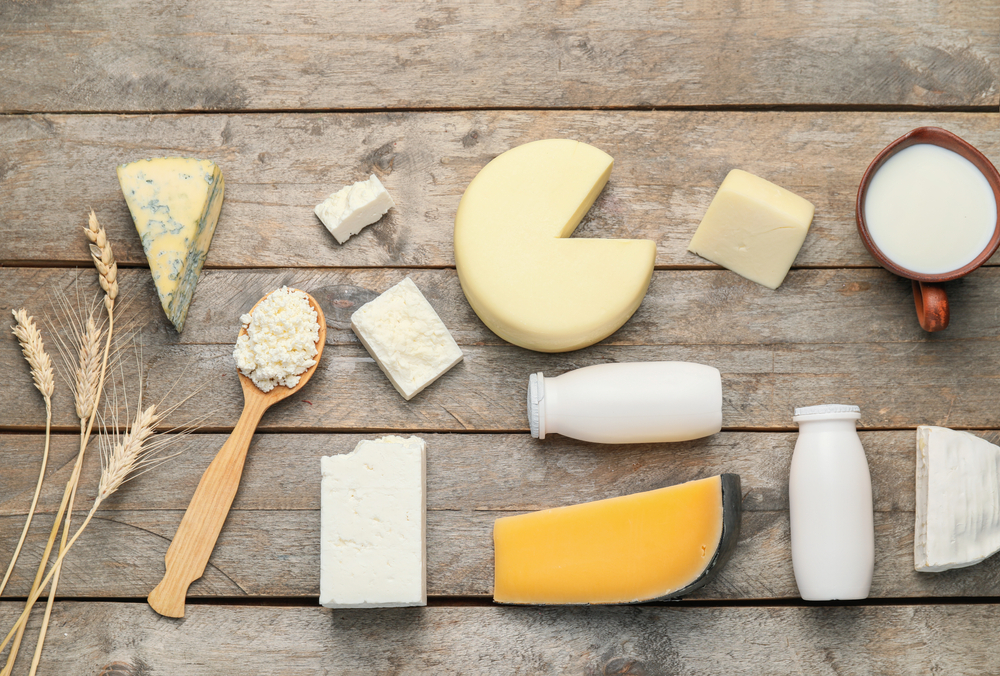
When lactose intolerance is ignored, or the lactose remains undigested, it can lead to uncomfortable symptoms and health complications.

The holiday season brings joy, celebrations, and endless tables of delicious food. But with all the rich meals, sweets, and

In our fast-paced lives, stress has become an everyday companion. However…

Your gut microbiome is the environment in your intestines made up of trillions of microscopic organisms, including a diverse population

Going gluten-free, also referred to as a “gluten-free diet,” is an increasingly popular dietary choice for several reasons, ranging from…

© Allied Digestive Health. All Rights Reserved.