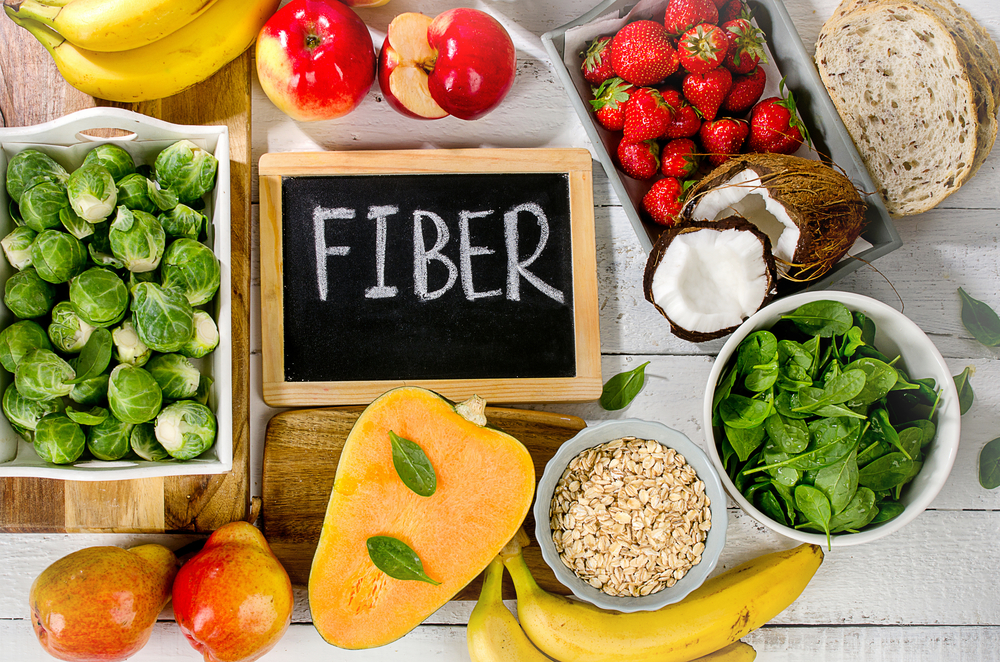
When you think of vitamins for staying healthy, Vitamin C is often the first one that comes to mind—and for good reason. This powerhouse nutrient plays a crucial role in countless bodily functions, from supporting your immune system to helping your skin glow. While many associate it with fending off colds, its benefits are far more extensive.
This guide explores why Vitamin C is so essential to your well-being. Understanding how to harness the power of this vital nutrient can significantly impact your overall health.
Why Vitamin C Is Essential for Your Health
Vitamin C, also known as ascorbic acid, is a vital nutrient that your body cannot produce on its own. This means you must obtain it through your diet or supplements. As a water-soluble vitamin, it isn’t stored in large amounts, so a regular intake is necessary to maintain adequate levels.
One of its most important functions is acting as a powerful antioxidant. It helps protect your cells from damage caused by free radicals—unstable molecules that can contribute to aging and chronic illnesses like heart disease. By neutralizing these harmful compounds, Vitamin C supports your overall health at the cellular level and beyond.
Furthermore, this vitamin is critical for the growth, development, and repair of all body tissues. It’s involved in the formation of collagen, a protein essential for skin, tendons, ligaments, and blood vessels. This collagen-forming ability makes Vitamin C a key player in wound healing. A strong immune system also relies on adequate amounts of this nutrient to function properly.
Foods Rich in Vitamin C
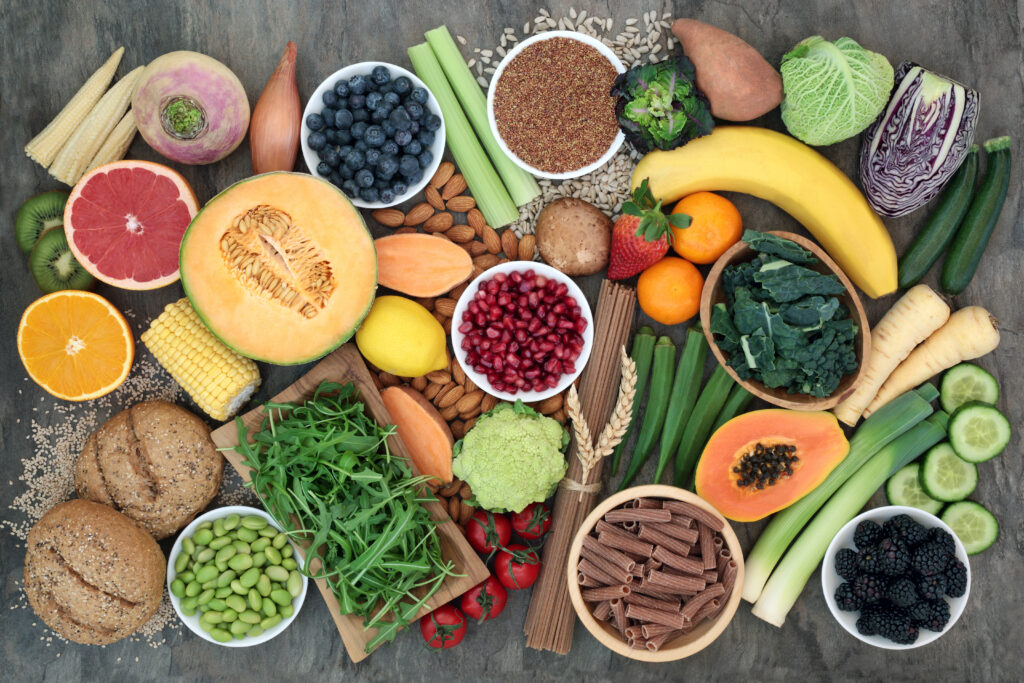
When people think of Vitamin C, citrus fruits like oranges and grapefruits usually come to mind. While these are excellent sources, many other fruits and vegetables pack an even bigger punch. Incorporating a variety of these foods into your diet is the best way to ensure you’re getting enough.
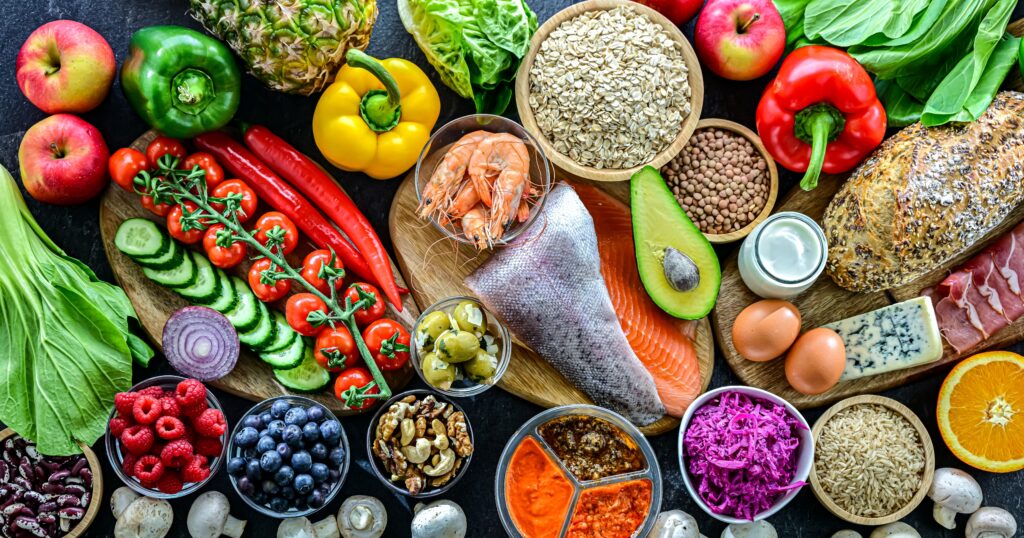
Some of the top food sources that are rich in vitamin C include:
- Bell Peppers: Red, yellow, and green bell peppers contain some of the highest concentrations of Vitamin C. A single red bell pepper can provide well over 100% of your daily needs.
- Berries: Strawberries, blueberries, and raspberries are delicious and loaded with this essential nutrient.
- Cruciferous Vegetables: Broccoli, Brussels sprouts, cabbage, and cauliflower are all fantastic sources.
- Tropical Fruits: Kiwi, mango, pineapple, and papaya are not only tasty but also bursting with Vitamin C.
- Leafy Greens: Spinach and kale offer a good dose alongside other important nutrients.
- Tomatoes: Whether raw or cooked, tomatoes are another reliable source.
Tips for Maximizing Vitamin C Intake
Getting the most out of your Vitamin C rich foods involves more than just eating them. Because ascorbic acid is sensitive to heat, light, and air, how you prepare and store your food can impact its nutrient content.
Here are a few tips to maximize your intake:
- Eat Foods Raw: Whenever possible, eat fruits and vegetables raw. A fresh salad with bell peppers and spinach will deliver more Vitamin C than if the vegetables were cooked.
- Steam or Microwave Instead of Boiling: If you do cook your vegetables, steaming or microwaving them for a short time helps preserve more of the water-soluble vitamins compared to boiling, where the nutrients can leach out into the water.
- Store Properly: Keep fruits and vegetables refrigerated in an airtight container or crisper drawer to minimize exposure to air and light. Cut them just before you plan to eat them.
- Combine Foods Strategically: Pair Vitamin C sources with iron-rich foods like beans or lentils. Vitamin C significantly enhances the absorption of plant-based iron.
How Much Vitamin C Do You Need?
The recommended daily allowance (RDA) for Vitamin C varies by age, gender, and life stage. For the average adult, the daily recommended amounts of vitamin C is 90 milligrams for men and 75 milligrams for women. Smokers require an additional 35 milligrams per day because smoking depletes Vitamin C levels in the body.
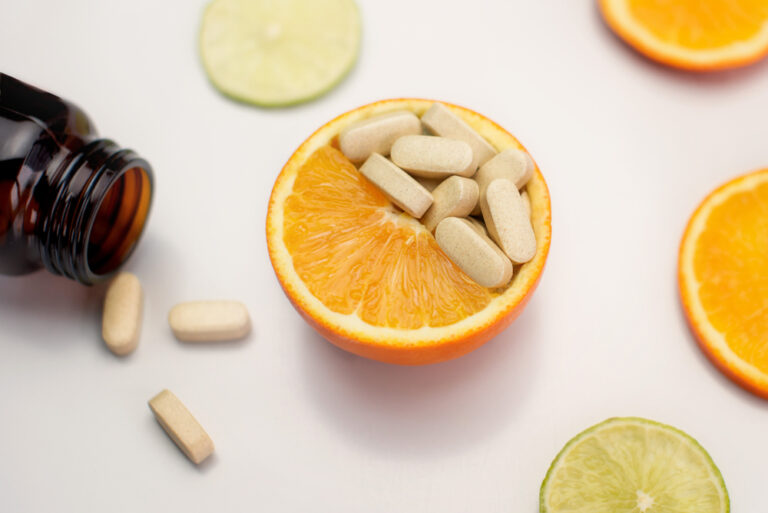
It’s relatively easy to meet these needs through a balanced diet rich in fruits and vegetables. For example, a single medium orange contains about 70 mg of Vitamin C, and a half-cup of chopped red bell pepper has about 95 mg. While it’s possible to take large amounts through vitamin C supplements, it’s not always necessary for healthy individuals. Taking excessively high doses (over 2,000 mg per day) can lead to side effects like digestive upset and, in rare cases, may increase the risk of kidney stones in susceptible individuals.
Other Nutrients That Work with Vitamin C
Vitamin C doesn’t work in isolation. It functions as part of a complex network of nutrients, and its effectiveness can be enhanced when paired with others. When considering vitamins and their roles, it’s helpful to know their partners.
- Vitamin E: Like Vitamin C, Vitamin E is a potent antioxidant. They work synergistically, with Vitamin C helping regenerate Vitamin E after it neutralizes free radicals. This teamwork provides a more robust defense against cellular damage.
- Iron: As mentioned, Vitamin C dramatically improves the absorption of non-heme iron, the type found in plant-based foods. This is particularly important for vegetarians and vegans.
- Flavonoids: These compounds are found in many of the same fruits and vegetables as Vitamin C. They are antioxidants that can help protect Vitamin C from oxidation, allowing it to work more effectively in the body.
When to Talk to Your Doctor
For most people, a diet filled with a variety of produce is sufficient to meet their Vitamin C needs. However, there are situations where you might need to speak with a healthcare provider about your intake.
You should talk to your doctor if:
- You have a restrictive diet that limits your intake of fruits and vegetables.
- You have a medical condition that affects nutrient absorption, such as Crohn’s disease or ulcerative colitis.
- You are pregnant, breastfeeding, or a smoker, as your needs are higher.
- You are considering taking high-dose vitamin C supplements for a specific health reason.
A doctor at Allied Digestive Health can help you determine the appropriate dosage and ensure it won’t interact with any medications you are taking or adversely affect your health.