When we think about supporting our gut, we often reach for fiber, probiotics, or the latest superfood, but one of the most powerful tools for digestive health is also the simplest: water. Staying well hydrated helps your digestive system run smoothly, keeps things moving comfortably, and plays a bigger role in gut health than many people realize. That role becomes especially important in the summer, when heat and activity make it easier to fall behind on fluids. This article looks at how water intake and gut health are connected, what happens when you become dehydrated, and practical, food-forward ways to stay hydrated all season long.
What is Dehydration?
Dehydration happens when your body loses more fluid than it takes in, leaving it without enough water to work at its best. Because water is involved in nearly every process in the body, including digestion, even mild dehydration can leave you feeling off. Summer makes it especially easy to slip into a fluid deficit, since heat and sweat pull water from your body faster than usual. The good news is that dehydration is largely preventable with a little awareness, and recognizing its causes and early signs is the first step to staying ahead of it.
What causes dehydration?
Dehydration most often comes down to simply not drinking enough fluids to replace what you lose. Hot weather and sweating during exercise or time outdoors increase those losses, which is why summer is such a common time to become dehydrated. Illnesses that cause vomiting, diarrhea, or fever also drain fluids quickly, and some people are more prone to dehydration than others, including older adults and anyone with certain medical conditions. Even everyday habits, like reaching for coffee or sugary drinks instead of water, can leave you short on fluids without realizing it.
What are the symptoms of dehydration?
Your body gives helpful signals when it needs more water. Early signs include thirst, a dry or sticky mouth, and urine that is darker than a pale, light yellow. As dehydration progresses, you may notice fatigue, headache, dizziness, and urinating less often than usual. Because these symptoms can be easy to overlook or blame on a busy day, it helps to check in with yourself, especially during hot weather. If you or someone else shows signs of severe dehydration, such as confusion, rapid heartbeat, or fainting, that is a medical emergency and needs prompt care.
Why Hydration Matters for Gut Health
Hydration and gut health go hand in hand, because your digestive system depends on water at nearly every step. Water helps move food and waste through the digestive tract, keeps stool soft and easy to pass, and supports the environment your gut needs to function well. When you are well hydrated, digestion tends to feel smoother and more comfortable; when you fall behind on fluids, the whole system can slow down. Think of water as the quiet partner to fiber: the two work together, and fiber cannot do its job of keeping you regular without enough fluid alongside it. Making hydration a daily habit is one of the easiest and most effective ways to support your gut.
How Hydration Supports Digestion
Water is involved in digestion from your very first bite. It is a key part of saliva, which begins breaking down food in your mouth, and it helps dissolve nutrients so your body can absorb them as food moves through the stomach and intestines. Adequate fluid also helps food travel smoothly along the digestive tract rather than getting sluggish. In the colon, water is drawn into and out of the stool to keep it at the right consistency, which is why hydration has such a direct effect on regularity. When you drink enough, this whole process tends to run efficiently, supporting both comfortable digestion and good nutrient absorption from the healthy foods you eat.
Why Hydration is Essential for Gut Health
Beyond day-to-day digestion, staying hydrated helps protect against one of the most common gut complaints: constipation. When the body is short on fluids, the colon absorbs more water from the stool to conserve it, leaving stool harder, drier, and more difficult to pass. Over time, that can lead to uncomfortable, irregular bowel habits. Good hydration helps keep stool soft and bowel movements regular, working alongside a fiber-rich diet and regular activity. A well-hydrated gut is also a more comfortable one, with less bloating and strain. For anyone focused on nurturing their digestive health, consistent fluid intake is a foundational habit, not an afterthought, and it pays off in how your gut feels every day.
Recommended Hydration for Gut Health
How much water you need is personal, and it depends on your body size, activity level, the climate, and your overall health, so there is no single number that fits everyone. A widely used general guideline is to aim for roughly eight cups of fluid a day, but many people need more, particularly in the summer heat or when exercising. A simple, practical way to gauge your hydration is to notice your thirst and check your urine color: pale yellow generally means you are doing well, while darker urine is a sign to drink more. Remember that fluids come from more than just plain water, too. Herbal teas, milk, and water-rich foods all contribute. If you have a medical condition that affects fluid intake, check with your healthcare provider about what is right for you.
Best Hydration Tips for Healthy Gut
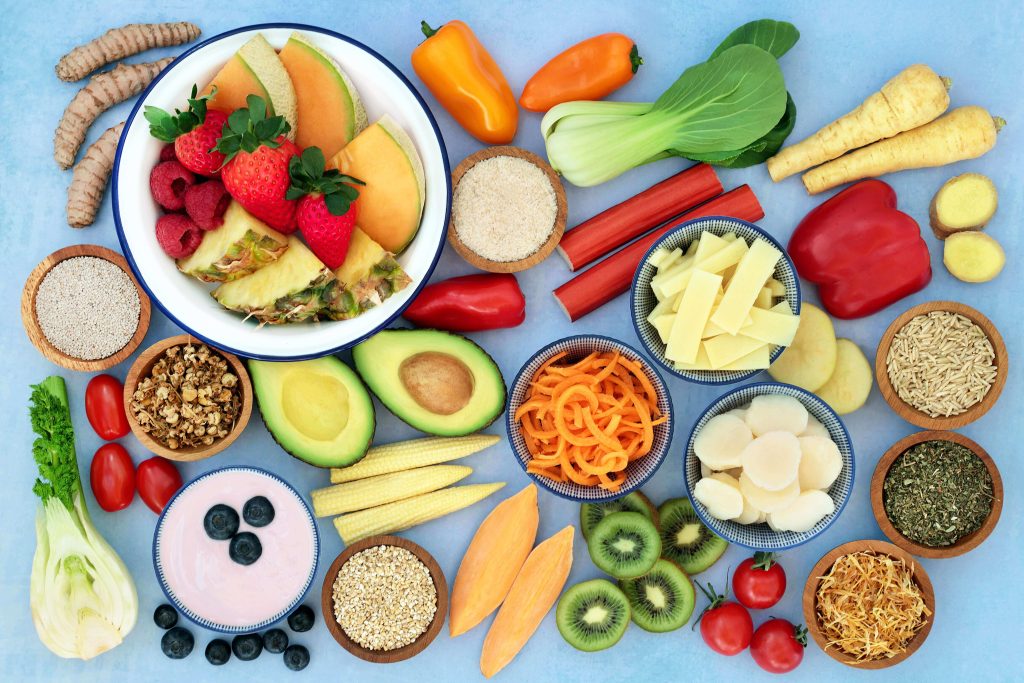
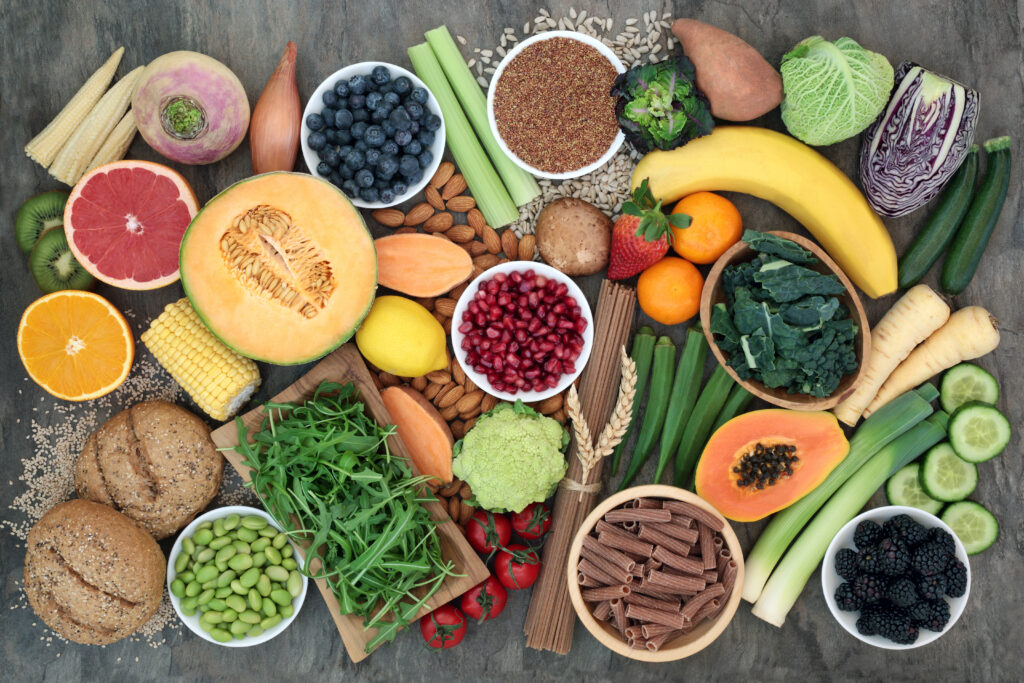
Staying hydrated is easier when you build it into your routine. Keep a reusable water bottle with you and sip throughout the day rather than trying to catch up all at once. Start your morning with a glass of water, and drink a little extra before, during, and after time in the heat or exercise. Lean on hydrating foods, too: summer produce like watermelon, cucumbers, strawberries, oranges, and leafy greens have high water content and deliver fiber and nutrients at the same time, making them a gut-friendly way to top up your fluids. If plain water feels boring, add slices of citrus, cucumber, or a few berries for natural flavor. Pairing good hydration with a balanced, fiber-rich diet gives your gut the steady support it thrives on.
When to See a Gastroenterologist
Hydration is a powerful everyday tool, but it is not a cure-all, and some digestive symptoms deserve professional attention. Consider seeing a gastroenterologist if you have ongoing constipation, bloating, or other digestive issues that do not improve with better hydration, fiber, and lifestyle changes, or if symptoms are affecting your quality of life. You should also seek care for warning signs such as blood in the stool, unexplained weight loss, severe or persistent abdominal pain, or symptoms of severe dehydration that do not resolve. A specialist can look for underlying causes and help you build a plan tailored to your body. Good hydration works best as one part of a broader approach to digestive wellness, guided when needed by a professional who knows your history. For education only, not medical advice.
Call To Action
If you want to support your gut health with better hydration and nutrition, ADH Total Wellness is here to help. Our team can create a personalized nutrition plan built around your goals. Request an appointment today to start your journey to better digestive health.
Citations
MedlinePlus (National Library of Medicine) – Dehydration.
https://medlineplus.gov/dehydration.html
NIDDK (National Institute of Diabetes and Digestive and Kidney Diseases) – Constipation: Symptoms & Causes.
https://www.niddk.nih.gov/health-information/digestive-diseases/constipation/symptoms-causes
MedlinePlus (National Library of Medicine) – Dehydration (Medical Encyclopedia).
https://medlineplus.gov/ency/article/000982.htm
For education only, not medical advice.