


Fiber vs. Protein: Which is Most Important?
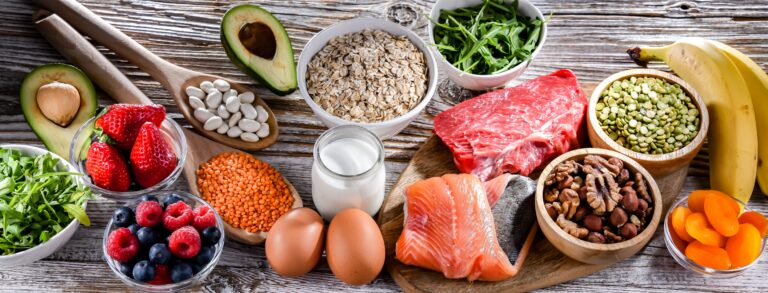
Nutrition advice often highlights two major dietary components: fiber and protein. Both are considered essential parts of a balanced diet, but they serve very different functions in the body. Fiber plays a major role in digestion and gut health, while protein is an essential macronutrient that supports muscle maintenance, metabolism, and satiety.
For many people trying to improve their diet—whether for digestive wellness, weight management, or overall health—the question often comes down to: which matters more? The truth is that both dietary fibre and protein contribute to different aspects of health, and understanding how they work together can help you make more informed nutrition choices.
Why Fiber and Protein Both Matter for Your Health
Fiber and protein are foundational nutrients that support several key systems in the body. Protein is classified as an essential macronutrient because it provides the amino acids necessary for building tissues, enzymes, and hormones. It also plays an important role in satiety and metabolism, helping the body regulate appetite and maintain lean muscle mass.
Dietary fibre, on the other hand, supports digestive function and gut microbiome balance. Unlike protein, fiber is not digested in the small intestine. Instead, it travels to the colon, where beneficial gut bacteria ferment it and produce compounds that help maintain the intestinal lining and reduce inflammation.
When considering gut health nutrition, both nutrients serve complementary roles. Protein fuels cellular repair and metabolic processes, while fiber helps regulate bowel movements, support microbiome diversity, and promote overall digestive comfort.
Fiber for Digestive Health
Fiber for digestion is essential because it keeps the digestive tract moving efficiently and supports a balanced gut microbiome. Dietary fibre is found primarily in plant foods such as fruits, vegetables, legumes, whole grains, nuts, and seeds.
There are two main types of fiber—soluble and insoluble—and each plays a different role in digestive health. Soluble fiber dissolves in water and forms a gel-like substance that can slow digestion and help regulate blood sugar levels. Insoluble fiber adds bulk to stool and helps move waste through the digestive tract more effectively.
A high-fiber diet is strongly associated with preventing constipation and improving bowel regularity. It also supports a healthier gut microbiome because fiber acts as fuel for beneficial bacteria in the colon. For individuals managing digestive conditions such as irritable bowel syndrome, fiber intake is often a key component of an IBS diet, though the type and amount of fiber may need to be individualized.
Protein’s Role in Metabolism and Satiety
Protein is often emphasized in nutrition plans because of its role in supporting satiety and metabolism. When consumed as part of a balanced meal, protein slows gastric emptying and helps you feel fuller for longer.
This is one reason why a high-protein diet is frequently recommended in weight management strategies. Protein for weight loss can help reduce overall calorie intake by minimizing hunger and stabilizing energy levels throughout the day. Additionally, protein supports muscle maintenance, which is important for preserving metabolic rate during weight loss.
Beyond weight management, protein is necessary for nearly every biological process in the body. It supports immune function, tissue repair, hormone production, and enzyme activity. Without sufficient protein intake, the body may struggle to maintain muscle mass and overall metabolic efficiency.
Fiber vs. Protein for Weight Loss
When comparing fiber vs. protein for weight loss, both nutrients contribute in different ways.
Fiber helps control appetite by adding volume to meals without significantly increasing calories. Foods rich in dietary fibre—such as vegetables, legumes, and whole grains—tend to be filling while also supporting digestion and blood sugar stability. This combination can reduce overeating and promote long-term weight management.
Protein, meanwhile, influences satiety and metabolism through hormonal signals that regulate hunger. Meals that include adequate protein often lead to greater feelings of fullness and may reduce snacking between meals.
Rather than choosing one nutrient over the other, many experts recommend combining both in meals. For example, pairing lean protein with fiber-rich vegetables or whole grains can enhance satiety while also supporting digestive health.
What Happens When You Don’t Get Enough Fiber
Low fiber intake is extremely common, particularly in diets that rely heavily on processed foods. When dietary fibre intake is too low, several digestive issues can develop.
Constipation is one of the most noticeable symptoms. Without enough fiber to add bulk to stool and stimulate bowel movement, waste can move slowly through the digestive tract. This may also increase the risk of hemorrhoids or discomfort during bowel movements.
Low fiber intake can also negatively affect gut health nutrition by reducing the diversity of beneficial bacteria in the microbiome. Over time, this imbalance may contribute to digestive symptoms such as bloating, irregular bowel habits, and abdominal discomfort.
Increasing fiber intake gradually through a high-fiber diet—while also drinking adequate water—can help restore digestive balance.
What Happens When You Don’t Get Enough Protein
While fiber deficiencies primarily affect digestion, insufficient protein intake tends to impact metabolism and body composition.
When the body does not receive enough protein, it may begin breaking down muscle tissue to meet its amino acid needs. This can lead to muscle loss, fatigue, and reduced metabolic efficiency.
Low protein intake may also lead to increased hunger throughout the day because meals lacking protein are typically less satisfying. This can make maintaining a healthy eating pattern more difficult and may interfere with weight management goals.
In addition, inadequate protein can slow recovery from illness, injury, or surgery because protein is essential for tissue repair and immune system function.
Can You Have Too Much Fiber or Protein?
Although both nutrients are beneficial, balance remains important. Consuming excessive amounts of fiber too quickly can cause digestive discomfort, including gas, bloating, or abdominal cramping. Gradually increasing fiber intake allows the digestive system to adapt.
Similarly, extremely high-protein diets may place additional strain on the kidneys in individuals with certain underlying health conditions. In some cases, focusing too heavily on protein may also reduce intake of fiber-rich foods, which can negatively affect digestion.
For most people, the goal is not to maximize intake of any single nutrient but to create a balanced dietary pattern that includes adequate protein and sufficient fiber for digestion.
Finding the Right Balance for Your Digestive Health
The healthiest dietary pattern typically includes a combination of fiber-rich plant foods and quality protein sources. Whole grains, legumes, fruits, and vegetables provide the dietary fibre necessary for digestive regularity and microbiome support. Lean meats, fish, eggs, dairy products, tofu, and legumes offer the protein needed for metabolism and tissue repair.
Balancing these nutrients supports satiety and metabolism while also improving digestive comfort. Meals that contain both protein and fiber tend to promote stable energy levels and reduce digestive fluctuations throughout the day.
For individuals managing digestive concerns such as IBS or chronic constipation, working with a healthcare professional can help determine the right balance of fiber and protein for their specific needs.
When Digestive Symptoms Signal a Bigger Issue
Occasional digestive symptoms are common, especially during dietary changes. However, persistent issues such as chronic constipation, frequent bloating, abdominal pain, or unexplained weight loss should not be ignored.
While diet plays a major role in gut health, these symptoms may also indicate underlying gastrointestinal conditions such as inflammatory bowel disease, food intolerances, or other digestive disorders. In these cases, adjustments to fiber intake or protein consumption alone may not resolve the problem.
Monitoring digestive patterns and seeking medical evaluation when symptoms persist are important for protecting long-term digestive health.
When to See a Gastroenterologist
If digestive symptoms continue despite dietary improvements, consulting a gastroenterologist may be necessary. Specialists in digestive health can evaluate symptoms, recommend diagnostic testing, and develop treatment plans tailored to your specific condition.
The professionals at Allied Digestive Health, may also work with dietitians to create nutrition plans that support gut health while addressing individual digestive disorders. This approach ensures that your diet—including fiber and protein intake—supports both symptom management and overall wellness.
Footer

© Allied Digestive Health. All Rights Reserved.