10 Tips for Healthy Digestion During the Holiday Season
The holiday season brings joy, celebrations, and endless tables of delicious food. But with all the rich meals, sweets, and festive beverages, it can also bring trouble for our digestion. If you find yourself feeling bloated, sluggish, or uncomfortable after a holiday meal, you’re not alone. Here are a few eating strategies to help you enjoy all the seasonal treats while keeping your digestion on track.
- Start Your Day with Hydration
Hydrating well in the morning can help your digestive system prepare for the day. Start with a glass of warm water with lemon or ginger. Lemon will stimulate the digestive system to release digestive enzymes. Ginger helps reduce inflammation and supports your gut health. Staying hydrated throughout the day is crucial for digestion, as water helps break down food and absorb nutrients. Aim for at least 64 ounces per day of water, especially if you plan to indulge later in the day with larger, rich meals!
- Prioritize Fiber-Rich Foods
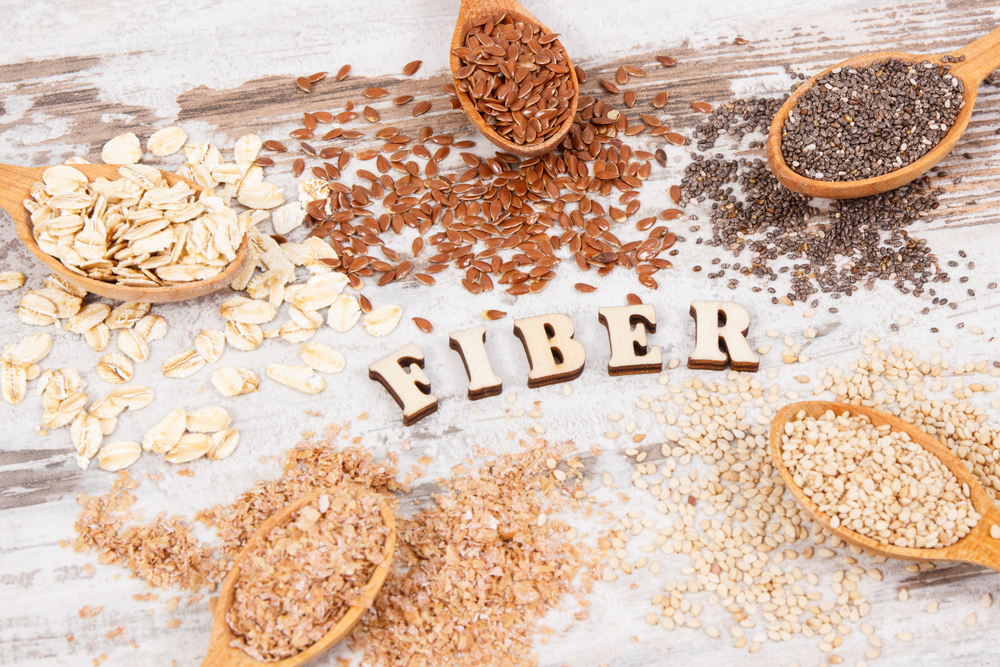
Fiber is a friend to digestion. It helps to keep things moving through the digestive tract and supports regularity. Start your holiday meal with fiber-rich options. These foods can help fill you up, so you’re less likely to overeat the heavier items. Fiber also supports a healthy gut microbiome, which plays a big role in digestion and overall wellness.
- Good fiber choices: Adding veggies like leafy greens, carrots, and bell peppers to your plate, or snack on fruits like apples, pears, and berries. Whole grains, like quinoa, brown rice, and oats, are also great sources that will help you support your gut health.
- Why fiber is important: Fiber helps slow down the digestive process, keeping you fuller for longer and preventing spikes in your blood sugar. It also acts to help your intestines clear out waste and reduce possible bloating.
- Practice Portion Control
It’s easy to overindulge when there are so many wonderful dishes to choose from at a holiday meal, but large portions can overwhelm your digestive system. Start with smaller servings, and don’t hesitate to go back for seconds if you are still interested in more. It’s tempting to load up on everything in sight at one time, but large portions can overwhelm the digestive system, leading to bloating and discomfort.
- Portion control tips: Start with smaller servings, savor the flavors, and give yourself a moment to check in with your hunger levels before going back for more.
- Balance your plate: Aim to include protein, healthy fats, and fiber-rich carbohydrates in each meal. This mix helps stabilize your blood sugar and keep you feeling satisfied longer.
- Chew Slowly and Enjoy Your Food
Eating quickly is a poor habit that many of us have leading a busy lifestyle. This can lead to swallowing air and not fully breaking down your food, which can lead to gas and indigestion. During the holidays, take time to savor each bite and enjoy meals with family and friends!
- Mindful eating: Put your fork down between bites and chew each bite thoroughly. This not only aids in digestion by breaking down food but also lets you fully enjoy the taste and textures of your holiday favorites. Digestion starts in the mouth and when we chew our food properly we can break down the nutrients more efficiently causing less GI distress.
- Watch Out for Trigger Foods
Many traditional holiday dishes are high in fats, dairy, and sugars—all of which can trigger digestive discomfort. Certain foods like onions, garlic, and beans can also cause bloating in some people.
- Common holiday triggers: Rich gravies, buttery mashed potatoes, creamy casseroles, and heavy desserts can be challenging to digest, especially in large portions.
- Strategies: If you know certain foods tend to upset your stomach, try enjoying them in smaller portions, or look for lighter recipes to make holiday favorites easier on your digestion.
- Include Probiotic-Rich Foods
Probiotics are beneficial bacteria that support gut health and can aid in digestion, especially during times of indulgence.
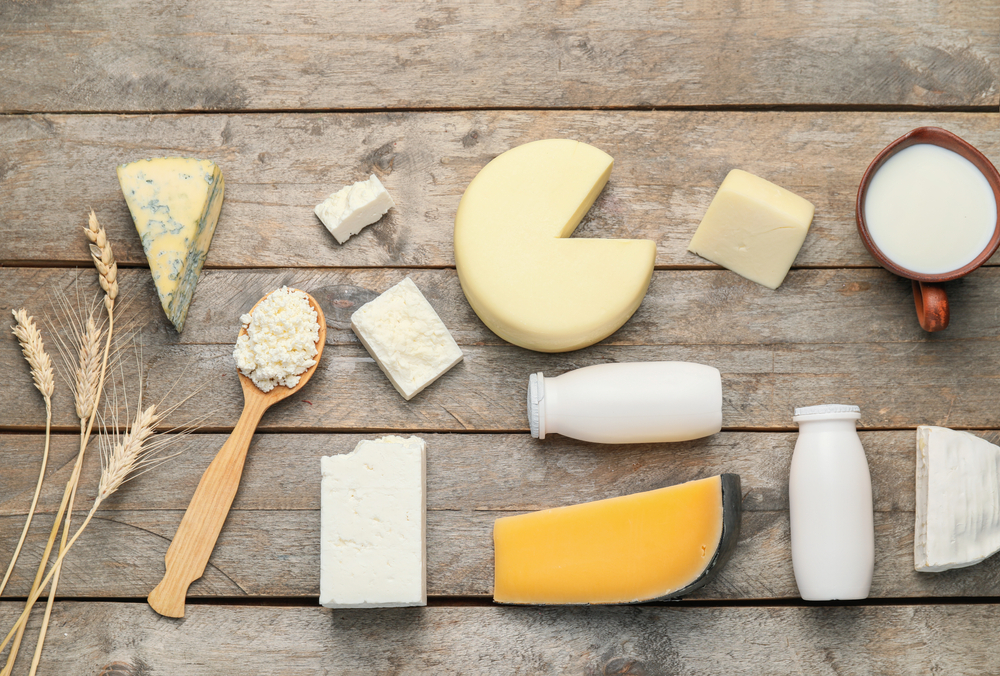
- Great sources of probiotics: Add yogurt, kefir, sauerkraut, and other fermented foods to your meals where possible. You can also enjoy a small serving of kombucha or a fermented pickle as a light snack.
- Why they help: These foods support healthy gut bacteria, which can enhance digestion and reduce bloating, gas and discomfort.
- Limit Alcohol and Sugary Drinks
Cocktails, eggnog, wine and other holiday drinks often come with a high sugar and alcohol content, which can disrupt our gut health.
- Opt for lighter options: Try to limit sugary or alcoholic beverages and choose lighter options like a glass of red wine, sparkling water with fruit, or a spritzer.
- Alternate with water: If you’re enjoying alcoholic drinks, alternate each alcoholic beverage with a glass of water to stay hydrated and give your digestive system a break.
- Move After Meals
After a big meal, it’s very tempting to sit down and relax, but light movement can actually aid digestion by stimulating the digestive tract.
- Post-meal activity ideas: Go for a gentle walk, play with the kids, or do some light stretching, Help clean up the holiday meal. Also, avoid vigorous exercise right after eating, as this can disrupt digestion, but gentle movement can ease bloating and help food move smoothly through your system, plus gives you an activity to enjoy time with friends and family.
- Give Your Stomach Time to Rest
Holiday schedules can throw off our usual eating habits, leading to more frequent snacking and late-night meals. This constant eating doesn’t give your stomach time to fully digest. Leftovers are a big culprit of overeating during the holiday season. Try portioning out leftovers and freezing them for later dates. When we overindulge we do not allow our digestive track to rest properly.
- Mindful eating windows: Try to avoid eating within two to three hours before bed to give your digestive system time to rest. You might also try having one less heavy meal and more snacks or lighter meals throughout the day if your schedule allows and if you know you will be consuming a heavier meal later in the day.
- Manage Stress and Practice Relaxation
The holidays can be stressful, and stress directly impacts your digestive track. When we’re experiencing high stress levels, our body produces hormones that can slow digestion, leading to discomfort and digestive upsets.
- Relaxation techniques: Take time to provide yourself with self-care, whether that’s practicing deep breathing before a meal, taking breaks from social activities, or enjoying a few minutes of quiet time. These practices can calm your nervous system and improve your digestion.
With a few mindful changes, you can enjoy all the holiday flavors while keeping your digestive system happy. By balancing your plate, staying hydrated, chewing slowly, and choosing foods that support gut health, you’ll find that you can indulge without the uncomfortable side effects. Remember that a few holiday treats won’t throw your health off course if you keep an overall mindful approach. Also remember that the holidays are selected days during this festive season not the entire season. Enjoy the holidays and your favorite foods in a way that leaves you feeling energized and satisfied!