We are approaching the holidays, and just thinking about the delicious dishes that will be lining the tables and counters is enough to make one drool. It’s also a time when rich, decadent holiday food takes center stage. While indulging in festive meals is part of the fun, maintaining a healthy diet can be challenging. Many people find themselves overeating, which can lead to unwanted weight gain, sluggishness, and guilt.
This guide offers practical tips for navigating the holiday season mindfully. You’ll learn effective ways to enjoy your favorite holiday treats and holiday meals without derailing your health goals. By adopting a few simple strategies, you can feel your best while still partaking in the festivities.
The Effects of Unhealthy Eating During the Holidays
The shift from a healthy diet to a season of indulgence can have several effects on your body. Consuming large quantities of rich, sugary, and high-fat foods can lead to more than just weight gain. It can also cause digestive discomfort, such as bloating and heartburn, disrupt your sleep patterns, and zap your energy levels.
These big meals can also send your blood sugar on a rollercoaster, leading to energy spikes followed by crashes. Over time, these habits can make it harder to get back on track after the holidays. Understanding these effects can be a powerful motivator to eat a healthy, balanced diet, even during celebratory occasions.
Effective Ways to Avoid Overeating
Mindfulness is your best defense against overeating at holiday events. It’s easy to get caught up in the moment and eat more than you intended. Here are some effective tips to avoid overfilling your plate and feeling uncomfortably full.
First, don’t arrive at a party starving. Skipping meals to “save up” calories often backfires, making you more likely to overindulge. Have a small, protein-rich healthy snack before you go, like a handful of nuts or a Greek yogurt. This will take the edge off your hunger and allow you to make more thoughtful food choices.
Another key strategy is to eat slowly. It takes about 20 minutes for your brain to register that your stomach is full. By savoring each bite and putting your fork down between mouthfuls, you give your body time to send those fullness signals. This practice helps you enjoy your food more and recognize when you’ve had enough.
Understanding Portion Control
Portion control is essential for enjoying holiday food without going overboard. Festive buffets can be particularly challenging, with endless options tempting you to try everything. A simple strategy is to scan the entire buffet before you fill your plate. This lets you identify what you really want to eat, rather than loading up on the first things you see.
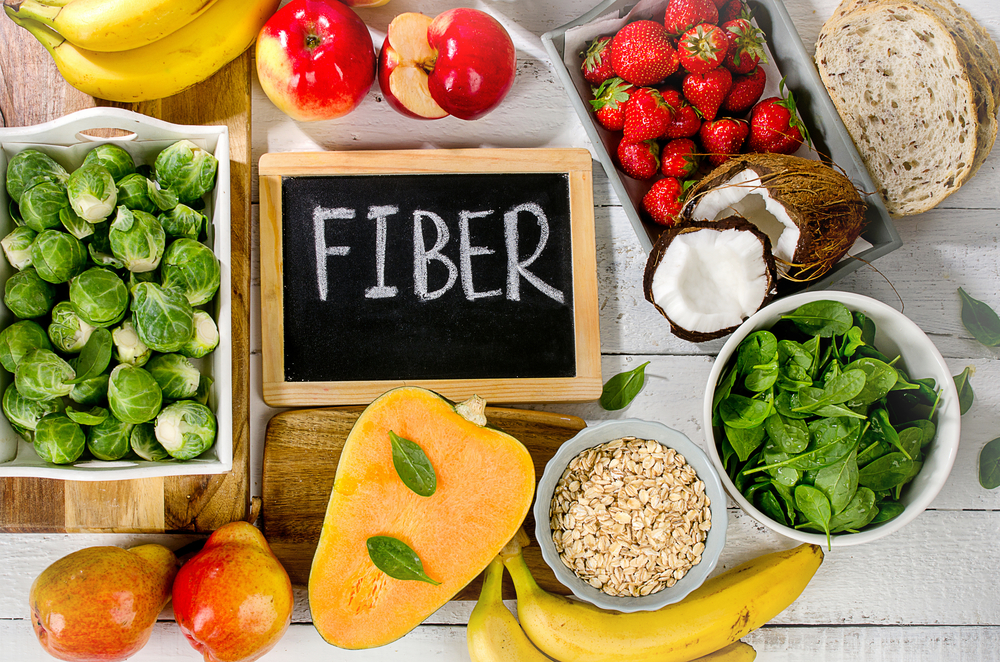
When you do fill your plate, try to make half of it fruits and vegetables. These foods are rich in fiber and nutrients, helping you feel full on fewer calories. Dedicate a quarter of your plate to lean protein and the remaining quarter to starchy foods or your favorite holiday treats. This balanced approach ensures you get a taste of everything without overdoing it.
Holiday Habits to Enjoy Without Overindulging
The holidays are about more than just food. Shifting your focus can help you enjoy the season more healthily. Instead of congregating around the food table at holiday events, position yourself elsewhere to mingle with family and friends. Engaging in conversation can distract you from mindless snacking.
When it comes to alcohol and sugary drinks, be mindful of your intake. These beverages can be a significant source of hidden calories and sugar—alternate alcoholic drinks with water to stay hydrated and moderate your consumption. Opting for water or unsweetened tea can make a big difference in your overall calorie intake during holiday meals.
How to Improve Your Holiday Eating Habits Naturally
Making sustainable changes to your holiday eating habits doesn’t have to feel restrictive. It’s about making smarter choices that still allow for enjoyment. One of the best ways to maintain balance is to stick to your regular meal schedule as much as possible. Consistency helps regulate your appetite and blood sugar levels, making you less susceptible to overindulging.
Research shows that planning ahead is a powerful tool. If you know you have a big holiday dinner in the evening, aim for lighter, healthier meals earlier in the day. A balanced breakfast and lunch centered on lean protein, fruits, and vegetables will provide steady energy and help you feel more in control later.
Finally, listen to your body. Eat when you’re hungry and stop when you’re satisfied, not stuffed. It’s okay to decline a second helping or pass on a dessert if you’re genuinely full. Eating a healthy, balanced diet during the holiday season is about making conscious choices that align with your health goals, not about perfection.
When to Talk to Your Doctor
While most holiday-related digestive issues are temporary, it’s important to know when to seek professional advice. If you have a pre-existing condition like diabetes or high blood pressure, it’s a good idea to talk to your doctor or a registered dietitian before the holiday season begins. They can provide personalized advice to help you navigate holiday eating safely.
You can also consult an Allied Digestive Health professional if you experience persistent digestive discomfort, significant and unintentional weight gain or loss, or if you feel that your eating habits are negatively impacting your mental health. They can help you create a sustainable plan for a healthy relationship with food, both during the holidays and beyond.