Boosting Your Immune System
Vitamin C is widely recognized for its influential role in supporting a healthy immune system. This essential nutrient helps stimulate the production of white blood cells, which play a critical role in defending your body against infections and illnesses. It also acts as a potent antioxidant, protecting immune cells from damage caused by harmful free radicals.
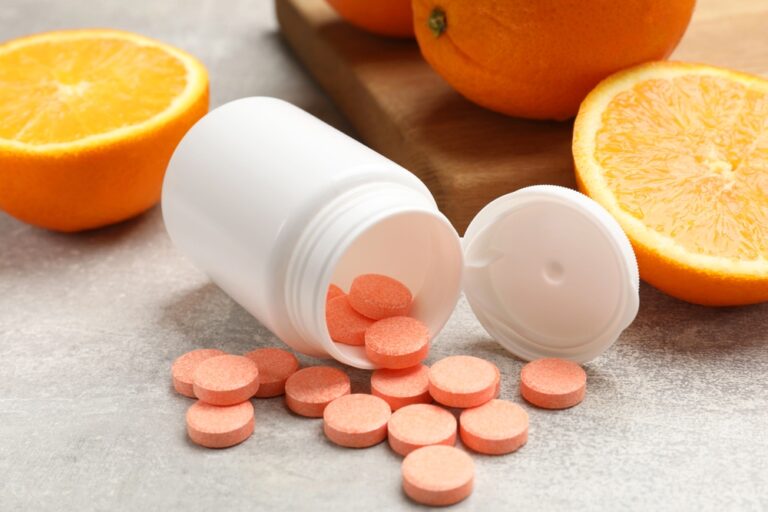
As a water-soluble vitamin, it must be consumed daily through diet or supplements. The recommended daily intake is 75 mg for women and 90 mg for men. Consuming adequate amounts of vitamin C through citrus fruits, fruit, and vegetables can help reduce the risk of developing infections and promote overall immune health. Incorporating vitamin C into your daily routine can enhance your body’s ability to fend off common colds, flu, and other illnesses, keeping your immune system strong and resilient.
Enhancing Skin Health and Collagen Production
Vitamin C plays a vital role in maintaining healthy, radiant skin. It is a key component in producing collagen, a protein that provides structure and elasticity to your skin. Regular vitamin C intake can help reduce the appearance of fine lines and wrinkles, promoting a more youthful complexion. Its potent antioxidant properties also protect the skin from damage caused by UV rays and environmental pollutants. A deficiency in vitamin C can slow the body’s ability to repair damaged tissue and may contribute to premature aging.
By supporting the skin’s natural repair processes, vitamin C helps to improve texture, tone, and overall skin health, making it an essential nutrient for a glowing appearance. The best sources of vitamin C include citrus fruits, bell peppers, and strawberries.
Supporting Heart Health
Vitamin C may help reduce the risk of developing heart disease by promoting healthy blood vessels and lowering blood pressure. It helps maintain healthy blood vessels by promoting proper dilation of arteries, which supports optimal blood flow and reduces the risk of hypertension.
Vitamin C’s antioxidant properties combat oxidative stress, a key factor in developing heart disease. Regular intake of this essential nutrient has been associated with reduced levels of bad cholesterol (LDL) and triglycerides, further supporting heart health. By incorporating foods rich in vitamin C or supplements into your diet, you can take proactive steps toward protecting your cardiovascular system and overall well-being.
Aiding in Iron Absorption
Vitamin C is critical in improving the absorption of non-heme iron in plant-based foods. Converting iron into a more readily absorbable form helps prevent iron deficiency and supports the production of healthy red blood cells. Vitamin C enhances iron absorption from plant-based sources, making it particularly beneficial for individuals at risk of iron deficiency.
Pairing vitamin C-rich foods, such as citrus fruits or bell peppers, with iron-rich plant-based sources, like spinach or legumes, can significantly enhance iron uptake. This synergy underscores the importance of vitamin C in maintaining balanced nutrition and preventing anemia.
Reducing Inflammation and Oxidative Stress
Vitamin C is a powerful antioxidant that plays a key role in combating inflammation and oxidative stress. Oxidative stress occurs when an imbalance between free radicals and antioxidants leads to cellular damage and contributes to chronic conditions such as heart disease, diabetes, and arthritis. By neutralizing free radicals, vitamin C helps to protect cells and tissues from harm, reducing the risk of inflammation. Its anti-inflammatory properties may assist in alleviating symptoms of certain health conditions, promoting overall health and resilience.
Potential Side Effects of Too Much Vitamin C
While vitamin C is generally safe and essential for good health, excessive consumption can lead to potential side effects. High doses of vitamin C, particularly from supplements, may cause gastrointestinal discomfort, including symptoms such as diarrhea, nausea, and abdominal cramps.
Excessive intake can increase the risk of kidney stone formation in individuals predisposed to this condition. It’s important to note that the body does not store excess vitamin C; it is water-soluble, and any surplus is excreted in urine. To avoid these side effects, adhering to the daily intake guidelines is recommended, ensuring a balanced and beneficial consumption of this vital nutrient.
Best Ways to Incorporate Vitamin C into Your Diet
Adding vitamin C-rich foods to your meals can be both simple and delicious. You can seamlessly increase your vitamin C intake by including these foods regularly while enjoying a diverse and flavorful diet.
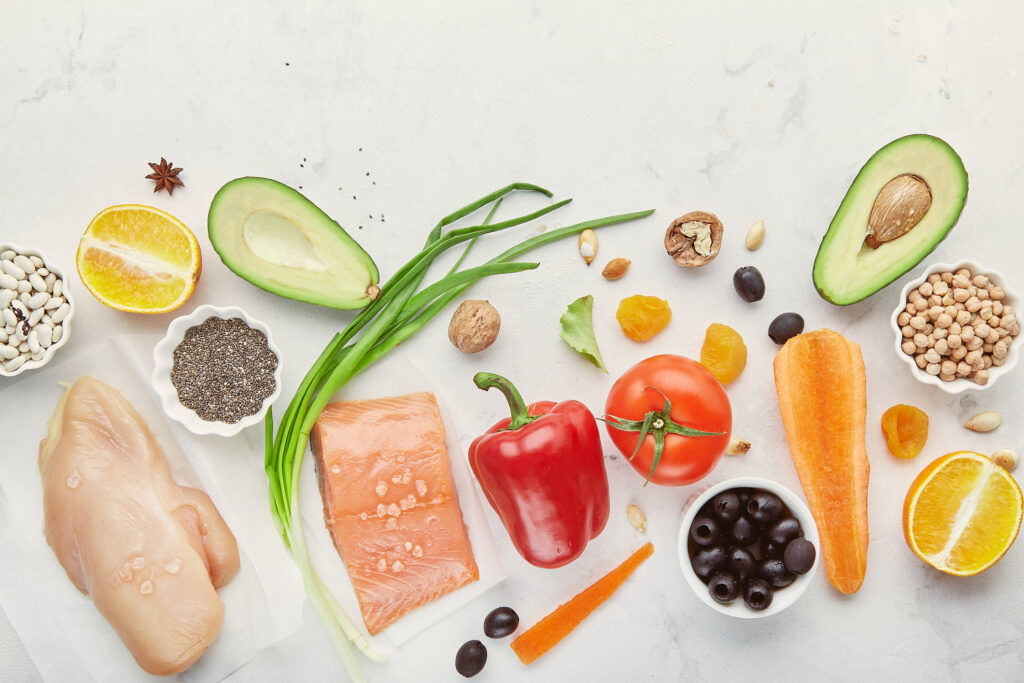
To ensure adequate vitamin C intake, focus on consuming various sources of vitamin-rich foods. Some of the best dietary sources include:
- Citrus fruits like oranges, lemons, and grapefruits
- Berries such as strawberries and blueberries
- Bell peppers, tomatoes, and broccoli
- Leafy greens like kale and spinach: Including these foods in your diet helps maintain optimal vitamin C levels without requiring high-dose supplements.
When To Talk to Your Doctor
While vitamin C is generally safe for most people when consumed in recommended amounts, there are certain situations where consulting a doctor is advisable. If you are experiencing symptoms such as persistent fatigue, frequent infections, or slow wound healing, these may be indications of a vitamin C deficiency that requires medical guidance.
Individuals with certain health conditions, such as kidney disease or a history of kidney stones, should discuss their vitamin C intake with a healthcare provider to avoid any potential complications. Those taking prescription medications or supplements should also seek professional advice to ensure no interactions or excessive dosages. Professionals at Allied Digestive Health can help tailor your vitamin C intake to suit your specific health needs, providing optimal benefits and safety.