Fiber vs. Protein: Which is Most Important?
Nutrition advice often highlights two major dietary components: fiber and protein. Both are considered essential parts of a balanced diet,
What is Gastroparesis?
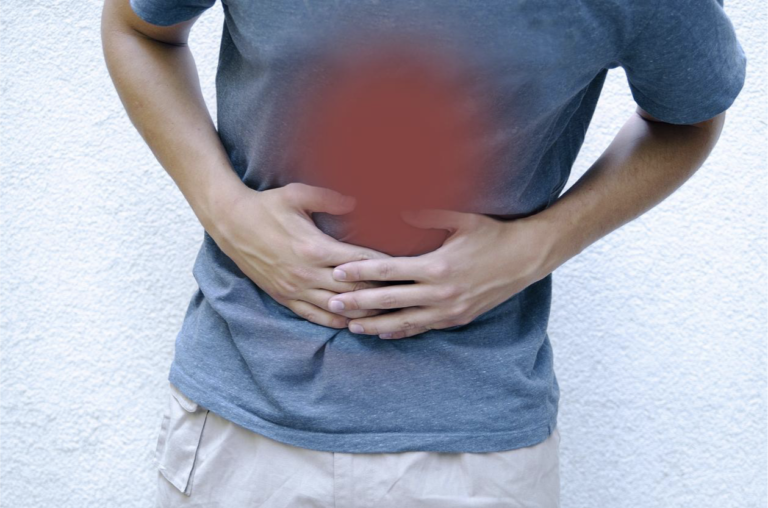
Gastroparesis, also called delayed gastric emptying, is a disorder characterized by improper functioning of the muscles of the digestive tract that slows or stops movement of food from the stomach to the small intestine.
Common symptoms include:
Most of what we recommend when it comes to gastroparesis nutrition therapy is based on what we know about human physiology and how the stomach normally works. A “one-size fits all” dietary approach is not recommended because the severity of gastroparesis varies from person to person. A registered dietitian nutritionist (RDN) can guide you to find a nutrition regimen that works best for you and meets your nutritional needs.
Gastroparesis symptoms can vary from week-to-week or even day-to-day. For example, during a “Gastroparesis flare” you may experience a period where all you can tolerate is liquids while previously solid foods were tolerated. The treatment of Gastroparesis often includes medications, dietary strategies, and lifestyle changes.
Basic Gastroparesis nutrition strategies include: (note these may need to be individualized)
Foods to Avoid that may cause bezoar formation
What is a bezoar? A bezoar is a hardened mass of undigested fiber that can collect in the stomach causing severe symptoms. Foods that cannot be fully chewed or that are indigestible by your stomach may lead to bezoar formation.
| Apples with skin | Coconut | Nuts/Seeds |
| Berries (large portion) | Corn | Oranges |
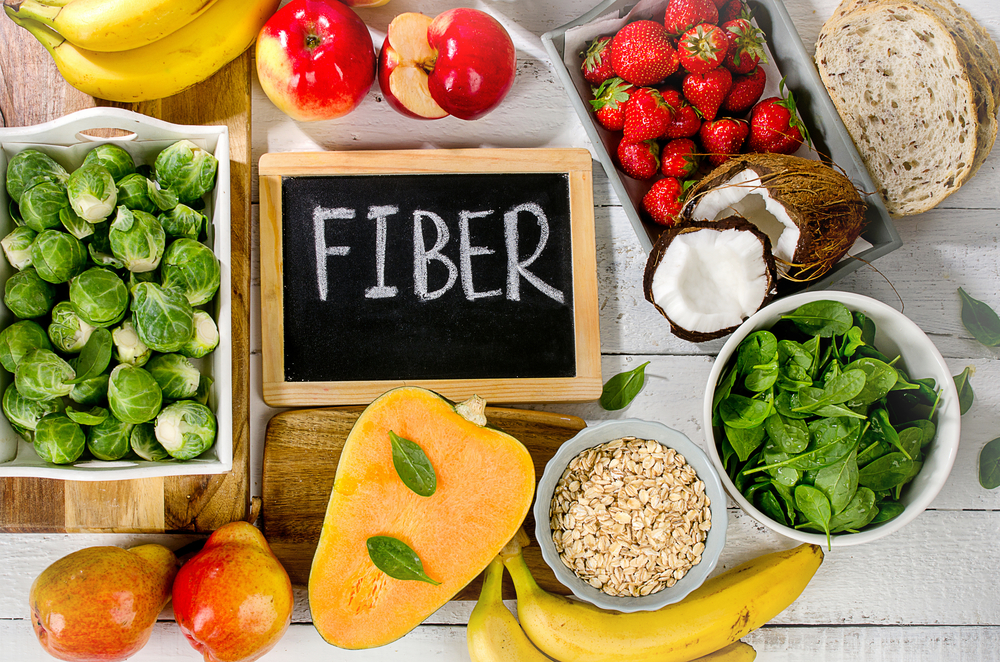
| Brussels sprouts | Dried Fruit | Sauerkraut |
| Cabbage | Figs | String beans |
| Celery | Legumes/Peas | Skins of fruits & vegetables (potato, grapes, plums) |
Kitchen Tips for Success
What Resources are Available for Meal Planning/Appropriate Food Products?
Registered Dietitian picks for go-to resources include:
The Registered Dietitian-Nutritionists at Allied Digestive Health are trained and qualified to provide guidance and instruction on appropriate nutrition therapy for gastroparesis. You can contact our team at nutrition@allieddigestivehealth.com to schedule an appointment.

Nutrition advice often highlights two major dietary components: fiber and protein. Both are considered essential parts of a balanced diet,

Unlike other carbohydrates, certain types of fiber help bind cholesterol in the digestive tract, which can improve cholesterol levels and

Research continues to show that maintaining strong gut health is essential for digestion, metabolic, immune, and inflammatory regulation.

Vitamin C, also known as ascorbic acid, is a vital nutrient that your body cannot produce on its own, so

It’s easy to get caught up in the moment and eat more than you intended. Here are some effective tips

Creating a balanced gut full of good bacteria doesn’t require complicated diets or expensive supplements.

Discover why gut health matters, seasonal foods that support digestion, and tips to keep your microbiome happy all autumn long.

Although food allergies and food intolerances are often mistaken for one another, they involve different biological mechanisms and produce distinct

Nutrition advice often highlights two major dietary components: fiber and protein. Both are considered essential parts of a balanced diet,

Unlike other carbohydrates, certain types of fiber help bind cholesterol in the digestive tract, which can improve cholesterol levels and

Research continues to show that maintaining strong gut health is essential for digestion, metabolic, immune, and inflammatory regulation.

Vitamin C, also known as ascorbic acid, is a vital nutrient that your body cannot produce on its own, so

It’s easy to get caught up in the moment and eat more than you intended. Here are some effective tips

Creating a balanced gut full of good bacteria doesn’t require complicated diets or expensive supplements.
© Allied Digestive Health. All Rights Reserved.