Fiber is one of the most essential — and often overlooked — nutrients for maintaining overall digestive wellness. While many people associate fiber with regular bowel movements, dietary fiber offers a wide range of health benefits, from supporting gut function to lowering the risk of chronic disease. Increasing daily fiber intake is a major public health priority because many adults consume far less than the recommended amount.
Understanding how fiber works and how much you need can help you make dietary choices that support long-term wellness.
What Is Fiber and How Does It Work in the Body?
Fiber is a type of carbohydrate found in plant foods that the body cannot fully digest. Unlike simple carbohydrates that break down into sugar, dietary fiber passes through the digestive tract largely intact. Because fiber includes a variety of plant compounds that resist digestion, it helps regulate digestion and nourish beneficial gut bacteria.
Fiber helps slow digestion, stabilize blood sugar, and support nutrient absorption. It also plays an important role in controlling appetite and maintaining a healthy weight. Unlike other carbohydrates, certain types of fiber help bind cholesterol in the digestive tract, which can improve cholesterol levels and reduce long-term disease risk.
How Fiber Supports Digestive Health
Adequate fiber intake is essential for maintaining healthy bowel movements and supporting gut function. Fiber helps increase stool bulk and softness, allowing waste to move more easily through the intestines. This process reduces constipation and supports overall digestive regularity.
Fiber also helps feed beneficial gut bacteria, which support intestinal balance and strengthen the protective lining of the digestive tract. Maintaining a healthy balance of microbes may help reduce the risk of inflammatory digestive conditions and support long-term intestinal health.
Soluble vs. Insoluble Fiber: What’s the Difference?
Fiber is generally divided into two main categories, both of which provide important digestive and metabolic benefits.
Soluble Fiber
Soluble fiber dissolves in water and forms a gel-like substance during digestion. This type of fiber helps slow nutrient absorption, stabilize blood sugar levels, and improve cholesterol control. Foods such as oats, apples, beans, and flaxseed are excellent sources.
Insoluble Fiber
Insoluble fiber does not dissolve in water. Instead, this type of fiber adds bulk to stool and helps move food efficiently through the digestive tract. When fiber doesn’t dissolve in water, it plays an important role in preventing constipation and maintaining bowel regularity. Whole grains, nuts, seeds, and many vegetables are strong sources of insoluble fiber.
Both types are essential, and a balanced diet containing a variety of plant foods helps provide the right combination.
Fiber’s Benefits Beyond Digestion
While fiber is best known for digestive support, its effects extend far beyond the gut. Research shows that higher fiber consumption can help lower the risk of chronic disease and support overall metabolic health.
A diet rich in fiber may:
- Improve cholesterol control and support heart health
- Lower the risk of cardiovascular disease and heart disease
- Help regulate blood sugar and lower the risk of diabetes
- Support weight management by improving fullness
- Help reduce inflammation throughout the body
Long-term studies suggest that consuming adequate fiber may also help reduce the risk of colorectal cancer, one of the most common gastrointestinal cancers. These protective effects make fiber a cornerstone of preventive nutrition.
Fiber for Common Digestive Conditions (IBS, Constipation, Diverticulosis)
Fiber plays an important role in managing several digestive disorders, though the type and amount of fiber may vary depending on the condition.
Irritable Bowel Syndrome (IBS)
For individuals with IBS, fiber can help regulate bowel patterns. Soluble fiber is often better tolerated because it is gentler on the intestines and less likely to cause bloating or cramping.
Constipation
Fiber increases stool bulk and softness, helping relieve constipation and improve bowel regularity. Gradually increasing fiber intake while drinking plenty of fluids is key to preventing discomfort.
Diverticulosis
Diverticulosis occurs when small pouches form in the colon wall. A high-fiber diet helps reduce pressure in the colon and may help prevent complications associated with this condition.
How Much Fiber Do You Really Need Each Day?
Daily fiber recommendations vary by age and sex, but most adults should aim for consistent intake throughout the day.
General guidelines include:
- Women under age 50: approximately 25 grams per day
- Women over age 50: approximately 21 grams per day
- Men under age 50: approximately 38 grams per day
- Men over age 50: approximately 30 grams per day
Unfortunately, many people consume far less than the recommended grams of fiber per day, often due to diets high in refined grains and processed foods. Gradually increasing fiber intake helps minimize bloating and digestive discomfort while allowing the body to adjust.
Best High-Fiber Foods for Gut Health
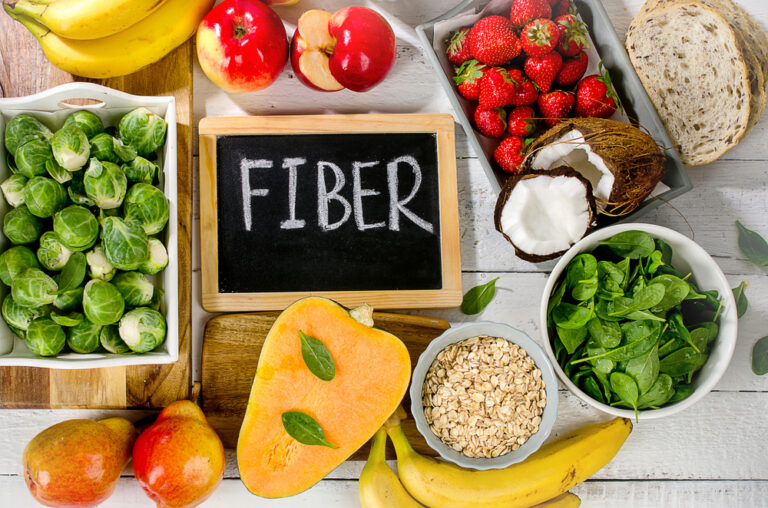
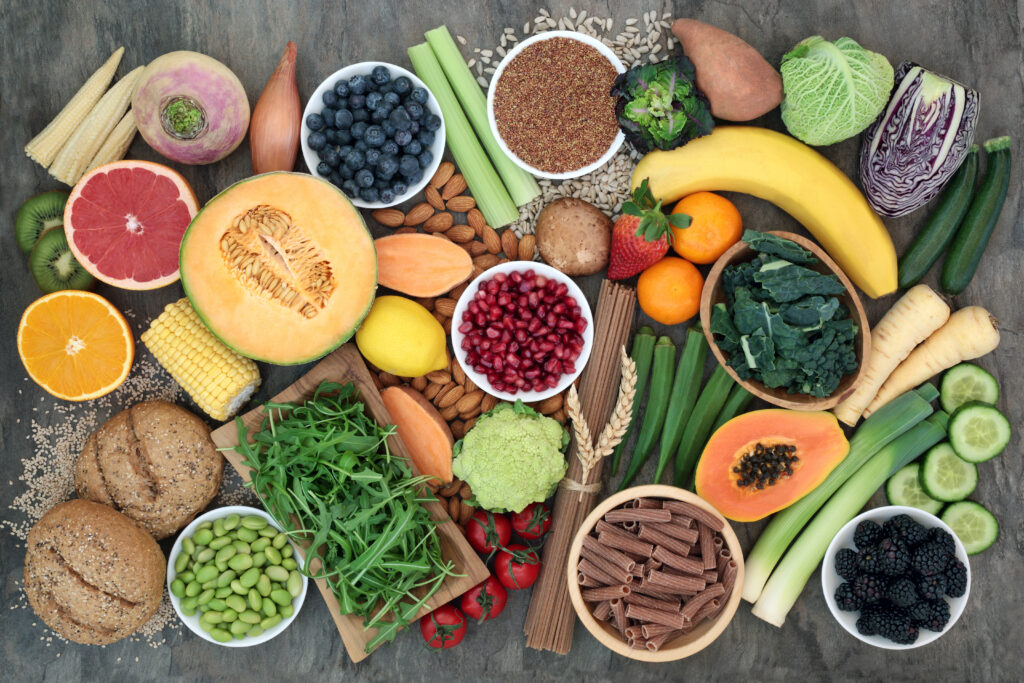
Eating a variety of fiber rich foods is the best way to meet daily fiber goals. Some of the most effective high fiber foods include:
- Beans, lentils, and legumes
- Whole grains such as oats, quinoa, and brown rice
- Berries, apples, and pears
- Leafy greens and cruciferous vegetables
- Nuts and seeds
- Avocados
Whole plant foods provide additional nutrients and antioxidants that work together to support digestive and metabolic health. Replacing refined carbohydrates and limiting processed foods with these nutrient-dense options can significantly improve daily fiber intake.
Can Too Much Fiber Cause Digestive Problems?
Although fiber provides many health benefits, increasing fiber too quickly can cause bloating, gas, or abdominal discomfort. Sudden changes in fiber intake may overwhelm the digestive system, particularly for individuals who previously consumed low-fiber diets.
To prevent discomfort:
- Increase fiber gradually over several weeks
- Drink plenty of water to help fiber move through the digestive tract
- Include both soluble and insoluble fiber sources
- Monitor individual tolerance levels
Balancing fiber intake helps maximize benefits while minimizing potential side effects.
When to Talk to a Gastroenterologist About Fiber Intake
Increasing dietary fiber is one of the simplest and most effective ways to improve digestive wellness and protect overall health. By incorporating more plant-based foods, choosing whole grains, and limiting processed foods, individuals can improve gut function, support heart health, and help reduce the risk of chronic illness. Making small, consistent dietary improvements can provide lasting health benefits and support lifelong digestive wellness.
By making informed dietary choices and seeking medical guidance from the professionals at Allied Digestive Health when needed, individuals can protect and support their digestive system for years to come.