A healthy gut is the foundation of your overall health. It influences everything from your digestive system and immune system to your mental health. Creating a balanced gut full of good bacteria doesn’t require complicated diets or expensive supplements. It starts with what you put on your plate.
Understanding how certain foods support a healthy gut microbiome is the first step to feeling your best. This guide will walk you through the key food groups that nourish your gut, offer practical tips to improve your gut health, and explain when it’s time to consult a professional.
Fiber-Rich Foods (Prebiotics)
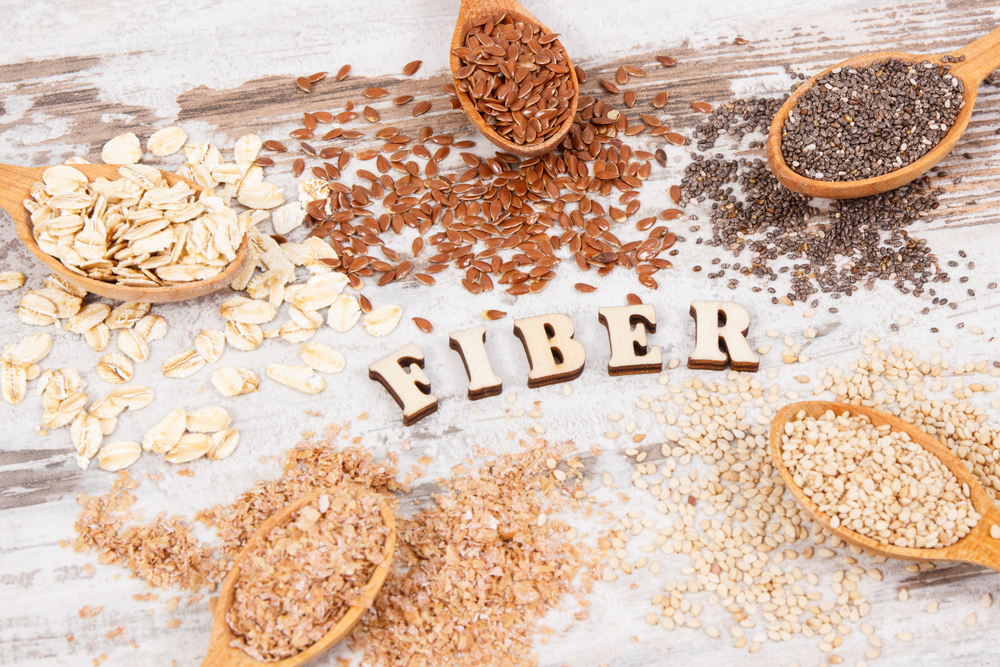
Think of prebiotics as the fertilizer for your gut garden. They are special types of dietary fiber that feed the beneficial bacteria in the gut. A diet that is fiber-rich is essential for a good gut, as it helps prevent constipation and supports a diverse microbiome.
Prebiotic fiber passes through the small intestine undigested and is fermented by the good bacteria in your large intestine. This process produces beneficial compounds called short-chain fatty acids (SCFAs), which are the primary source of energy for the cells lining your colon. Good sources of prebiotic fiber include a variety of fruits, vegetables, and whole grains.
Key prebiotic foods including:
- Onions, garlic, and leeks: These alliums are packed with inulin, a powerful prebiotic fiber.
- Asparagus: A great source of fiber to fuel your gut microbes.
- Bananas (especially slightly unripe ones): They contain resistant starch, which functions like prebiotic fiber.
- Oats: Rich in beta-glucan fiber, which has been shown to promote the growth of beneficial bacteria.
- Apples: Contain pectin, another type of fiber that nourishes gut microbes.
Fermented Foods (Probiotics)
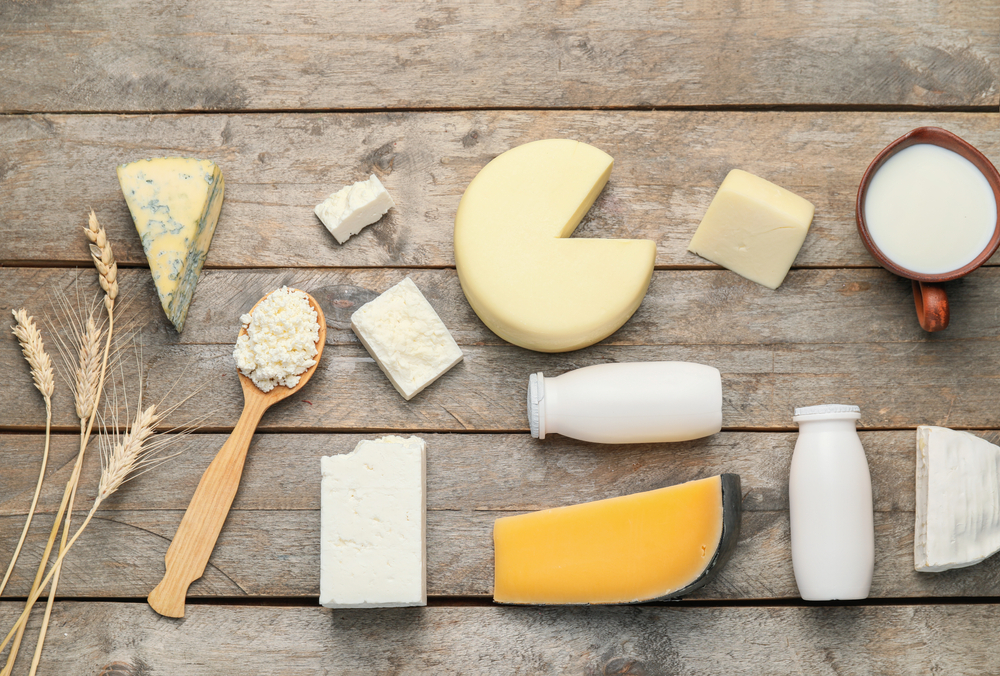
If prebiotics are the fertilizer, probiotics are the seeds. Probiotics are live microorganisms—the good bacteria themselves—that provide health benefits when consumed. Eating fermented foods is an excellent way to introduce these beneficial microbes directly into your digestive system.
These foods have undergone a process of lacto-fermentation, where natural bacteria feed on the sugar and starch in the food, creating lactic acid. This process preserves the food and creates a host of beneficial enzymes, B-vitamins, and various strains of probiotics. While probiotic supplements are available, getting them from food sources provides a wider variety of bacterial strains.
Key probiotic foods including:
- Yogurt: Look for brands with “live and active cultures.”
- Kefir: A fermented milk drink that often contains more diverse strains of bacteria than yogurt.
- Sauerkraut: Fermented cabbage that is a traditional favorite. Choose unpasteurized versions found in the refrigerated section.
- Kimchi: A spicy Korean side dish made from fermented vegetables, usually cabbage and radishes.
- Miso and Tempeh: Fermented soybean products that add a rich, savory flavor to meals.
Healthy Fats for a Balanced Gut
Not all fats are created equal, and some are particularly beneficial for achieving a balanced gut. Healthy fats, especially omega-3 fatty acids, have anti-inflammatory properties that can help maintain the integrity of your gut lining and support a diverse microbiome.
Inflammation in the gut can disrupt its delicate balance and contribute to conditions like irritable bowel syndrome (IBS). By incorporating anti-inflammatory fats, you can help soothe your digestive system and support your overall health.
Key sources of healthy fats:
- Fatty Fish: Salmon, mackerel, and sardines are rich in omega-3s.
- Avocados: A great source of monounsaturated fats and fiber.
- Nuts and Seeds: Walnuts, chia seeds, and flaxseeds are excellent plant-based sources of omega-3s.
- Olive Oil: Extra virgin olive oil is packed with antioxidants and monounsaturated fats.
Polyphenol-Rich and Antioxidant Foods
Polyphenols are plant compounds that act as antioxidants, fighting off harmful free radicals in the body. They also have a profound impact on the bacteria in the gut. Like fiber, many polyphenols pass through the small intestine undigested and reach the colon, where gut bacteria break them down.
This interaction is mutually beneficial. The gut bacteria feed on the polyphenols, and in turn, the breakdown of these compounds can promote the growth of more good bacteria. This helps create a robust and healthy gut microbiome.
Key polyphenol-rich foods:
- Berries: Blueberries, raspberries, and strawberries are loaded with these beneficial compounds.
- Dark Chocolate: Choose varieties with a high cocoa content (70% or more).
- Green Tea: A well-known source of powerful antioxidants and polyphenols.
- Red Wine: In moderation, it can contribute to gut diversity due to its polyphenol content.
- Spices: Cloves, peppermint, and star anise are surprisingly high in polyphenols.
Other Gut-Friendly Nutrition Tips
Beyond specific food groups, certain dietary habits can significantly improve your gut health. Small, consistent changes often make the biggest difference in supporting your digestive system.
- Limit Processed Foods: Highly processed foods are often high in unhealthy fats, sugar, and artificial additives that can disrupt the balance of gut bacteria and promote inflammation.
- Eat a Diverse Diet: Aim to “eat the rainbow.” Consuming a wide variety of fruits, vegetables, and other plant-based foods provides a broader range of nutrients and fibers, which supports a more diverse and resilient microbiome. A diverse gut is a healthy gut.
- Stay Hydrated: Water is essential for digestion. It helps break down food and can prevent constipation by keeping things moving through your system.
How to Improve Your Gut Health Naturally
Nutrition is a cornerstone of gut health, but your lifestyle also plays a huge role. To truly improve your gut health, consider these holistic approaches.
- Manage Stress: Chronic stress can negatively impact your gut microbiome. Activities like meditation, yoga, deep breathing, or spending time in nature can help improve both your mental health and gut health.
- Get Enough Sleep: Poor sleep can disrupt the natural rhythms of your gut bacteria. Aim for 7-9 hours of quality sleep per night to support a balanced gut.
- Move Your Body: Regular physical activity encourages the movement of food through your digestive system and has been shown to increase the diversity of your gut microbes.
When To Talk to Your Doctor
While diet and lifestyle changes can make a significant impact, they aren’t a cure-all for every health condition. If you experience persistent digestive symptoms, it’s important to seek professional advice.
Consult a doctor or a registered dietitian if you have:
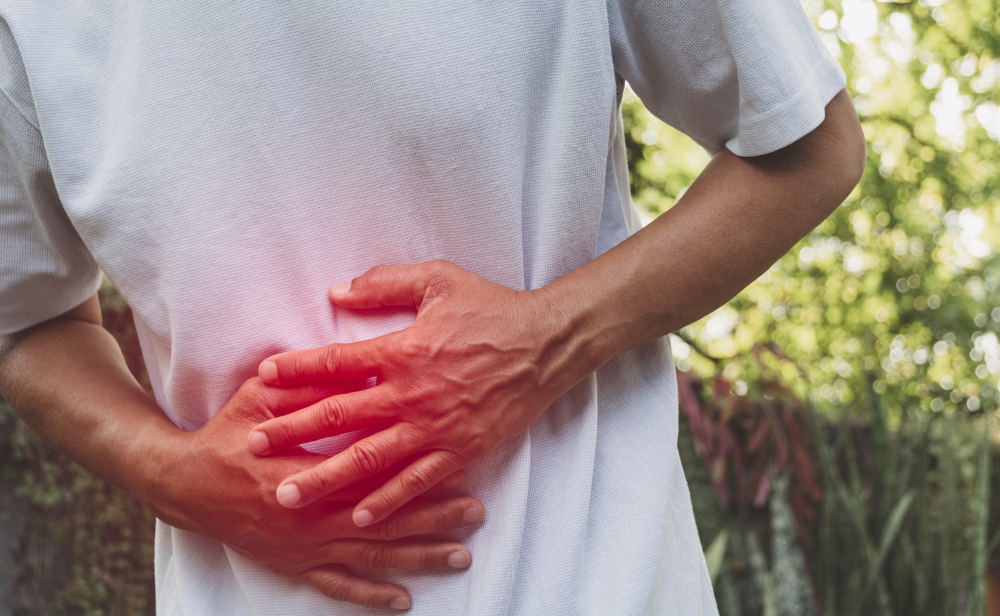
- Chronic bloating, gas, abdominal pain, diarrhea, or constipation.
- Unexplained weight loss.
- Symptoms of a serious condition like irritable bowel syndrome (IBS) or inflammatory bowel disease (IBD).
- Blood in your stool.
The Professionals at Allied Digestive Health can help rule out underlying issues and may recommend specific tests or treatments, such as targeted probiotic supplements, to help you manage your symptoms and restore your gut health.