Irritable bowel syndrome (IBS) is one of the most common digestive disorders, affecting millions of people worldwide. While medications and stress management can help control symptoms, diet often plays one of the biggest roles in managing IBS. Many patients notice that certain foods worsen abdominal discomfort, bloating, or irregular bowel habits.
Because IBS affects how the digestive system moves and processes food, adjusting what and how you eat can significantly improve digestive health. Understanding the most effective dietary strategies can help reduce symptoms and support long-term gut health.
Why Diet Matters So Much in IBS
Food interacts directly with the digestive system, which is why dietary changes often have a strong impact on IBS symptoms. In individuals with IBS, the intestines can be more sensitive to certain foods, fermentation processes, and gas production.
Certain carbohydrates can ferment in the gut, producing gas that may lead to bloating, abdominal pain, and irregular bowel movements. For some people, specific foods can also speed up or slow down digestion, worsening diarrhea or constipation.
Because IBS symptoms are often triggered by diet, identifying foods that support digestive health while minimizing discomfort is an important part of managing the condition.
There Is No One “Best” IBS Diet — Here’s Why
Although many people search for the single best diet for IBS, the reality is that IBS symptoms vary widely from person to person. What works well for one individual may not work for another.
IBS is influenced by multiple factors, including gut motility, sensitivity to certain foods, stress levels, and even the balance of bacteria in the digestive tract. Some people may be more sensitive to fermentable carbohydrates, while others may react more strongly to high-fat meals or caffeine.
Because of these differences, many healthcare providers recommend starting with an elimination diet approach to help identify specific trigger foods. This process involves temporarily removing certain foods and gradually reintroducing them to determine which ones worsen symptoms.
The Low FODMAP Diet (Most Evidence-Based Approach)
One of the most widely recommended approaches for IBS management is the low FODMAP diet. FODMAPs are fermentable carbohydrates that can be poorly absorbed in the digestive tract, leading to increased gas production and digestive discomfort.
Foods high in FODMAPs include certain fruits, vegetables, dairy products, wheat-based foods, and sweeteners. When these carbohydrates reach the colon, they can ferment quickly, producing gas and triggering symptoms such as bloating and abdominal pain.
The low FODMAP diet is typically implemented in stages. First, high-FODMAP foods are temporarily removed to allow symptoms to improve. Then foods are gradually reintroduced to identify which ones trigger symptoms. This structured elimination diet can provide significant bloating relief and improved digestive health for many patients with IBS.
Best Diet for IBS-C (Constipation-Predominant)
Individuals with constipation-predominant IBS often benefit from dietary strategies that support regular bowel movements and improve stool consistency. An IBS-C diet typically focuses on increasing fiber intake, staying hydrated, and eating foods that support gut motility.
Soluble fiber is often recommended because it absorbs water and forms a gel-like substance in the digestive tract. This can help soften stool and make bowel movements easier to pass. Foods such as oats, chia seeds, flaxseeds, and certain fruits contain higher amounts of soluble fiber.
For people with IBS-C, a gradual increase in fiber intake combined with adequate fluid consumption can help support healthier digestion and reduce constipation symptoms.
Best Diet for IBS-D (Diarrhea-Predominant)
For individuals with diarrhea-predominant IBS, dietary strategies often focus on slowing digestion and minimizing gut irritation. An IBS-D diet may involve limiting foods that stimulate intestinal contractions or cause excessive fermentation.
Reducing high-FODMAP foods is often helpful for patients with IBS-D because these carbohydrates can increase intestinal gas and fluid. Additionally, limiting caffeine, alcohol, and high-fat meals may help reduce diarrhea and urgency.
Some patients also benefit from incorporating more soluble fiber into meals because it can help absorb excess fluid in the digestive tract and improve stool consistency.
Best Diet for IBS-M (Mixed Type)
Mixed-type IBS involves alternating symptoms of constipation and diarrhea, which can make dietary management more complex. Patients with IBS-M often need a flexible approach that focuses on identifying personal trigger foods and carefully adjusting fiber intake.
Because symptoms fluctuate, maintaining balanced meals that support stable digestion is often helpful. Many people find that combining elements of the IBS-C diet and IBS-D diet, while monitoring symptom patterns, can help maintain better digestive balance.
Working with a healthcare provider or dietitian may also help create a personalized IBS meal plan tailored to individual symptoms.
Soluble vs. Insoluble Fiber: What Actually Helps?
Fiber is often recommended for digestive health, but not all fiber works the same way for IBS.
Soluble fiber dissolves in water and forms a gel-like texture in the digestive tract. This type of fiber can help regulate bowel movements and is often better tolerated by individuals with IBS.
Insoluble fiber, on the other hand, adds bulk to stool and moves through the digestive system more quickly. While this can be helpful for some people, it may worsen symptoms such as bloating or abdominal discomfort in others.
Because of this, many IBS diets prioritize soluble fiber sources while limiting excessive intake of insoluble fiber that could irritate the digestive tract.
Foods That Commonly Trigger IBS Symptoms
Certain foods are frequently associated with worsening IBS symptoms, although triggers vary from person to person. These trigger foods may increase gas production, irritate the intestines, or affect gut motility.
Common dietary triggers include highly processed foods, fatty meals, spicy foods, caffeine, alcohol, and some dairy products. Foods high in fermentable carbohydrates—such as onions, garlic, beans, and certain fruits—can also worsen bloating and discomfort in individuals sensitive to FODMAPs.
Identifying personal trigger foods through careful observation or an elimination diet can help individuals better manage their IBS symptoms.
Are Probiotics or Supplements Helpful?
The gut microbiome plays an important role in digestive health, and some research suggests that probiotics for IBS may help improve symptoms in certain individuals. Probiotics are beneficial bacteria that can help balance the gut microbiome and support digestion.
Some patients report improvements in bloating, abdominal discomfort, and bowel regularity when using probiotics for IBS. However, responses can vary depending on the strain and the individual’s unique gut microbiome.
In some cases, doctors may also evaluate whether other digestive conditions such as SIBO (small intestinal bacterial overgrowth) are contributing to symptoms. Treating underlying bacterial imbalances can sometimes improve IBS-related digestive problems.
Should You Try Gluten-Free or Dairy-Free?
Some individuals with IBS notice improvements when reducing or eliminating gluten or dairy from their diet. However, these dietary changes are not necessary for everyone.
In some cases, symptoms attributed to gluten may actually be related to FODMAP carbohydrates found in wheat products. Similarly, dairy intolerance may stem from difficulty digesting lactose rather than a true dairy allergy.
For individuals who suspect these foods may worsen symptoms, a structured elimination diet under medical guidance may help determine whether removing them improves digestive health.
Sample 3-Day IBS-Friendly Meal Framework
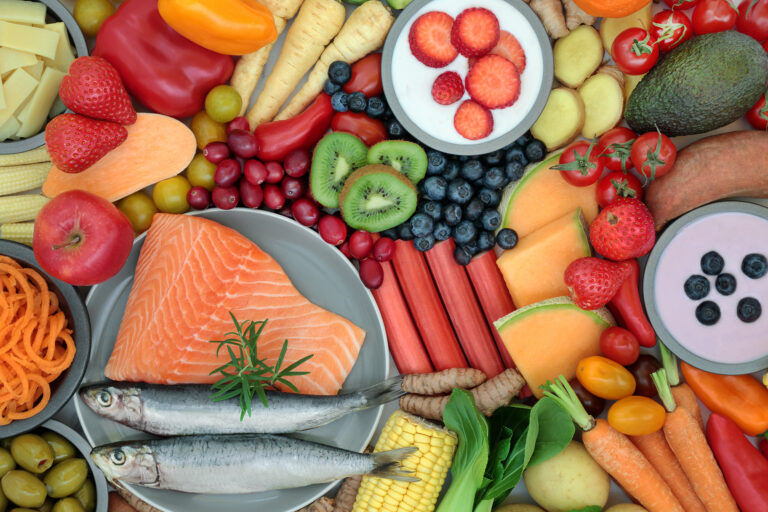
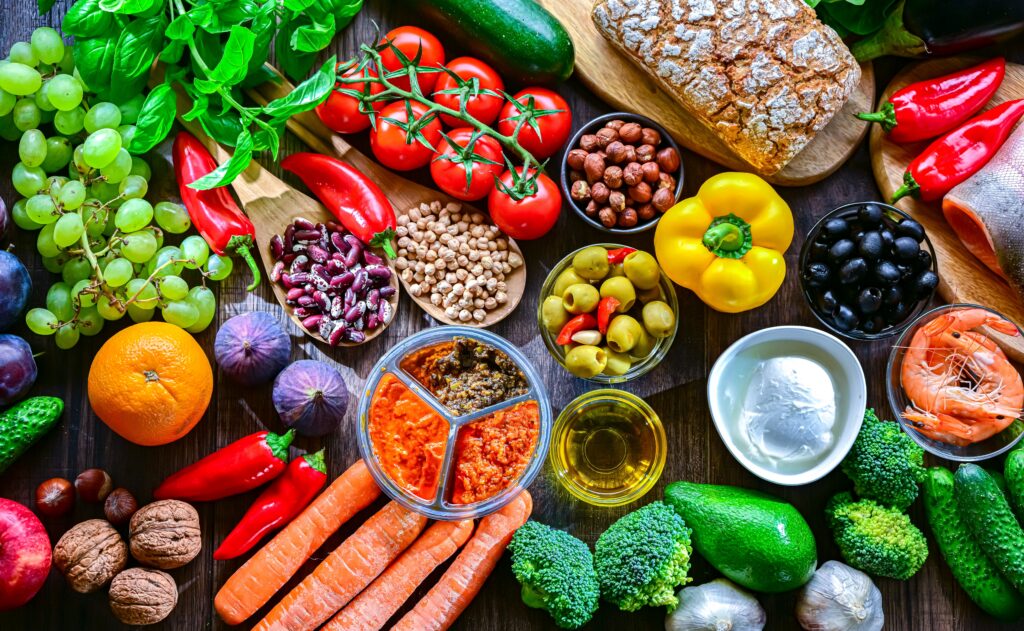
A simple IBS meal plan often focuses on whole foods that support digestive health while minimizing common triggers. Meals typically include balanced portions of lean protein, easily digestible carbohydrates, and fiber sources that support gut health.
For example, breakfast may include oatmeal with berries and chia seeds, which provides soluble fiber and sustained energy. Lunch could include grilled chicken with quinoa and roasted vegetables. Dinner might feature baked salmon with rice and sautéed zucchini.
The goal of an IBS-friendly meal framework is not strict restriction but rather creating balanced meals that minimize trigger foods while supporting stable digestion.
When To Talk to Your Doctor
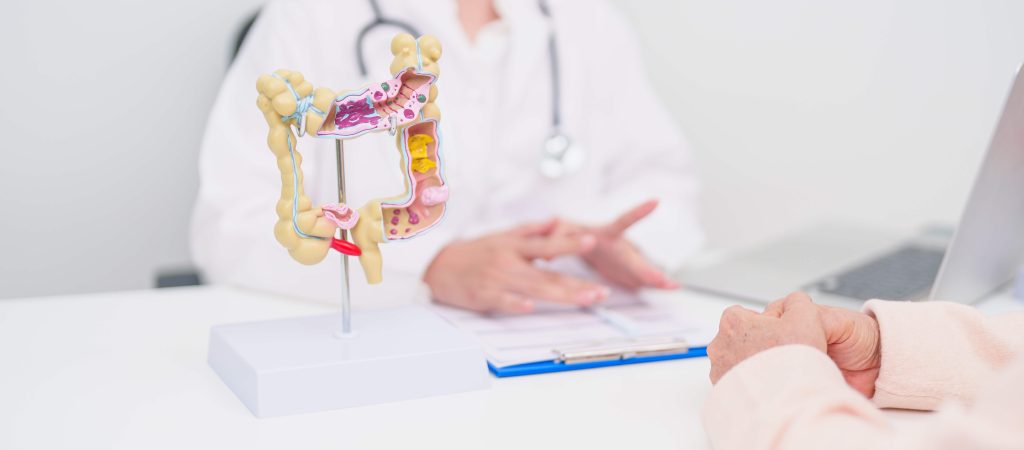
While dietary adjustments can significantly improve IBS symptoms, persistent digestive issues should always be evaluated by a healthcare provider. Symptoms such as severe abdominal pain, unexplained weight loss, blood in the stool, or ongoing diarrhea may indicate conditions beyond IBS.
The professionals at Allied Digestive Health can evaluate symptoms, rule out other digestive disorders, and recommend treatments tailored to your specific needs. They may also help develop a personalized IBS diet plan that supports long-term digestive health and symptom management. With the right dietary strategies and medical guidance, many individuals with IBS can achieve meaningful bloating relief and improved gut health.